Integrated Venue Operations: Orchestrating Multi-Tiered Structural Automation
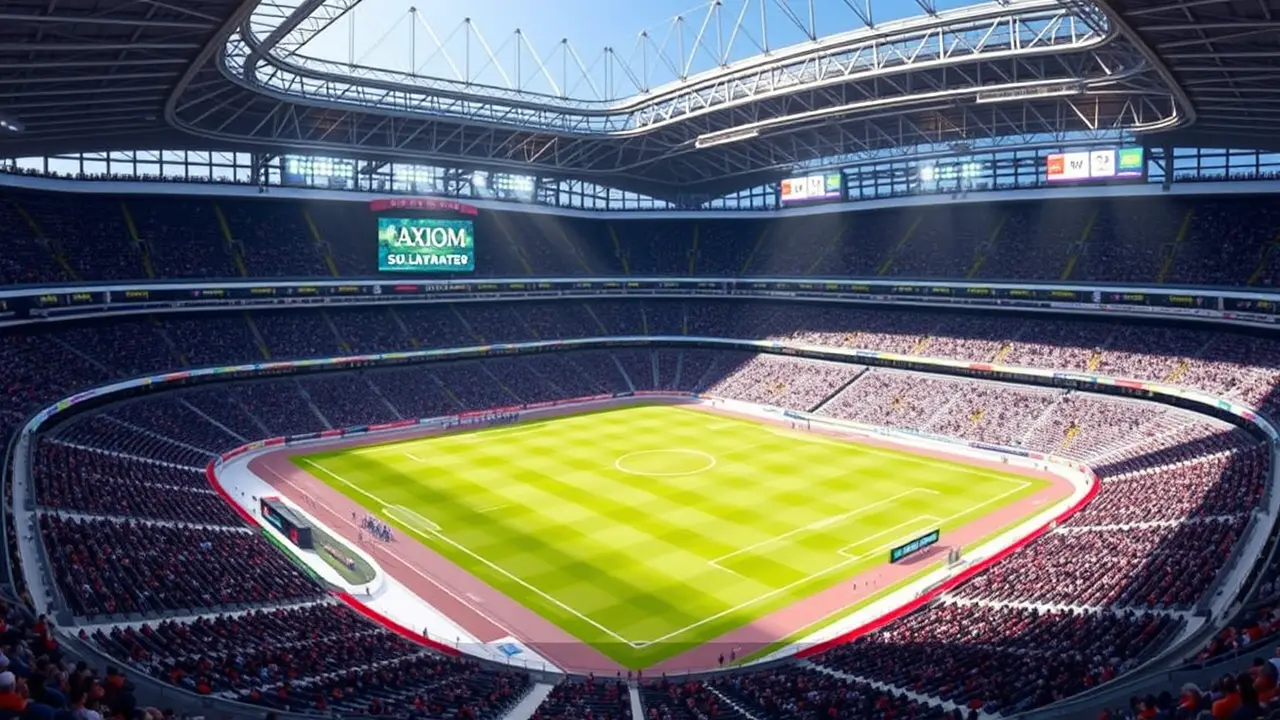
The commercial success of high-capacity entertainment hubs relies on rapid layout adaptation loops. However, operating an arena that alternates between sporting, exhibition, and concert configurations creates massive computational challenges. Manually managing standalone lighting nodes, separate fire panels, independent stage rigs, and custom kinetic layouts introduces human error vulnerabilities and unacceptable layout turnaround delays.
Integrated venue operations solve this problem by introducing an overarching central processing layer. By linking disparate hardware networks into a unified Supervisory Control and Data Acquisition (SCADA) environment, stadium operators can manage entire spatial configurations through an automated framework.
1. Unified SCADA Control Frameworks
Modern multi-purpose facilities rely on diverse hardware components from various specialized suppliers. Retractable roof structures operate on heavy industrial setups, while arena lighting arrays and localized climate partitions use distinct communication loops.
AXIOM bridges these hardware gaps by using a unified central software orchestration layer. This centralized infrastructure translates individual hardware languages into single, real-time tracking streams. This allows a facility manager to trigger complex, site-wide configuration presets safely from a primary command station.
"Operational agility requires a shift from independent hardware loops to a single, coordinated system architecture."
2. Real-Time Interlocking Safety Networks
When executing a site-wide transition sequence, such as moving massive, multi-ton automated seating rows while repositioning heavy lighting systems, safety cannot rely on visual spotters alone.
Integrated control systems use strict hardware-enforced logical interlocks. If an acoustic wall partition fails to lock perfectly into its designated target coordinate, the central system blocks power to nearby moving seating rows, preventing accidental mechanical collisions and ensuring safety during large operations.
3. Data-Driven Asset Management Analytics
Beyond live tracking, the orchestration software records thousands of telemetry values during every mechanical change cycle.
By analyzing predictive factors like motor current draws, actuator alignment patterns, and fluid pressures, the platform automatically flags minor mechanical wear patterns. This allows engineering teams to resolve issues during scheduled maintenance intervals, avoiding unexpected disruptions during high-profile live events.